Many public services rely on friction to stay viable. They depend on slow, confusing, frustrating user experiences to put off those otherwise eligible. This is both unfair and politically convenient. You could say ’twas ever thus’. Until now.
From parents seeking special needs support to property owners appealing council tax bands, it’s often the friction of bad service design that restrains demand, not the law.
AI – specifically AI agents – will remove that friction. Your AI agent will be doggedly relentless in how they access public services, however byzantine. They’ll make sure your application is perfectly crafted to maximise your chances of getting what you want, treating any appeals process as just another stage to be navigated by all.
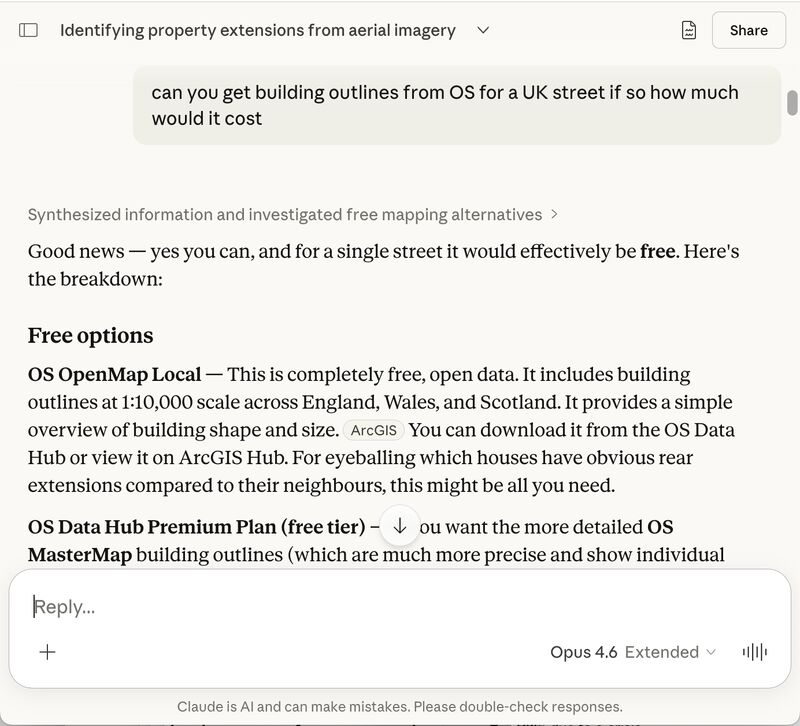
I’m lucky to have played a lot with such AI agents recently – the likes of OpenClaw, PicoClaw and Cowork. I started an experiment with one earlier today: what would they do if I asked them to tell me if the council tax band for our house was fair, in comparison to equivalent nearby houses?
It came back immediately to tell me our band was higher than all our neighbours and suggesting next steps. At this point I stopped it, as I’d realised something stark.
If I’d have let it, it would happily have run off to compare the floor areas by accessing EPCs, measure neighbour’s extensions from OS maps, searched property websites for number of bedrooms and researched how best to craft an appeal over my council tax band to the Valuation Office Agency. It would then have written a far better appeal than I ever could, and submitted it on my behalf – bish, bash, bosh.
Now I might still have lost the appeal, but the cost to me in time and hassle would have been negligible compared to even 3 months ago – one click and about 12p, which is the most expensive it’ll ever be. The friction that stops people from appealing their council tax band just disappeared. Ditto every other public service. Now what?
I don’t think governments are remotely ready for the coming explosion in demand for their services driven by AI agents. It might take a couple of years, but it’s coming.
Now much of this demand will entirely legitimate. Some of it doubtless won’t be. But demand is demand, and AI Agents don’t ever get bored; they negate the friction that used to keep demand in check.
Governments will need to clarify – if not tighten – countless rules, policies, processes and regulations otherwise public services risk being swamped. Along the way, policy grey areas will be eliminated, and that’ll be a loss.
All this won’t be popular, particularly if done in a hurry in response to a crisis. Even popular stuff like Delay Repay is doomed; you might as well scrap it now and take the pain before the whole thing messily melts down.
Sod using AI to write better policy papers, and making incremental improvements on the supply side. Focus on managing the imminent explosion in demand.
PS Same same for the private sector.

 Tom Loosemore
Leave a comment